







Search Results for: Raisin Process

How is honey processing different from natural and washed processing? And what exactly is raisin honey processing?
Many people, upon first hearing "honey processing," mistakenly assume that coffee beans are fermented with honey. In fact, it is a processing method that falls between natural (dry) and washed processing. Later, the honey processing family gave rise to a new variant known as "raisin honey processing." In this article, Front Street Coffee will guide you through the core differences between honey processing, natural processing, and washed processing, revisit the origin story of honey processing, and analyze the characteristics of white honey, yellow honey, red honey, and black honey one by one. Finally, we will compare the similarities and differences between Brazil's "raisin processing method" and Costa Rica's "raisin honey processing," helping coffee enthusiasts gain a comprehensive understanding of the ins and outs of these processing methods. [more…]

How Exactly Are Honey-Processed Coffees Classified? Decoding the Flavor Secrets of Costa Rican Raisin Honey Process
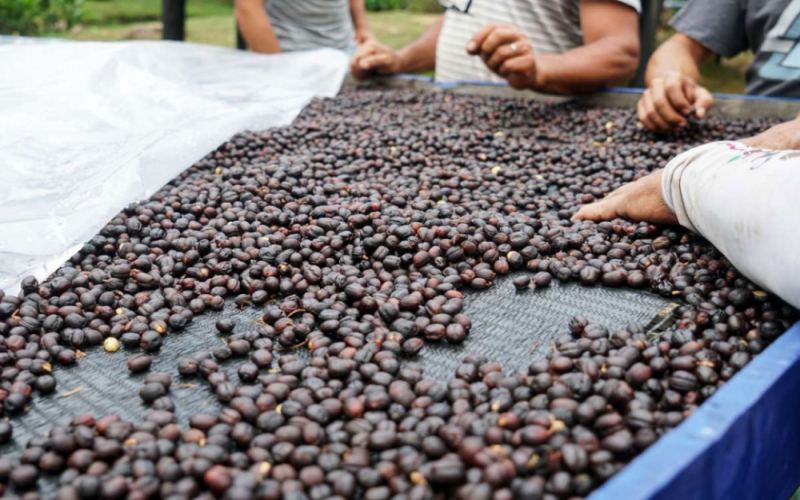
The processing method of green coffee beans directly influences the flavor direction of the final cup, and natural, washed, and honey processing constitute the three classic processing systems. Honey processing is not a single technique, but rather branches into yellow honey, red honey, black honey, white honey, and others depending on the amount of mucilage retained, among which raisin honey processing is particularly special. It first dries the coffee cherries in their husks for several days, and once the fruit has shriveled like raisins, it is pulped and hulled for honey processing, using almost no water, with mucilage retention reaching up to 100%. This technique gives the coffee extremely high body and intense fermented aromas. This article will systematically sort out the classification logic of honey processing, compare the process differences between conventional honey processing and raisin honey processing, and, in combination with two beans from the Costa Rican producing region—Front Street Blackberry and Front Street Mozart—analyze the unique flavor expression brought by raisin honey processing. [more…]

Costa Rica Canet Estate Mozart Coffee: Raisin Honey Processing Flavor and Craftsmanship Explained
Front Street Coffee takes you on an in-depth look at the Mozart single-origin from Costa Rica's Canet Estate Musician Series. This bean comes from the Tarrazu region at an altitude of 1,980 meters, using a unique raisin honey process, with 100% pectin retention and zero-water treatment creating a flavor profile that interweaves complex floral notes, fermented sauce-like aromas, and raisin sweetness, with acidity carrying notes of star fruit and berries, and a lingering sugarcane sweetness in the aftertaste. The article also analyzes the technical challenges and flavor formation of the raisin honey process, and further introduces representative single-origins such as Front Street Strawberry Candy · Geisha Blend, making it suitable reading for coffee lovers who enjoy fermented notes and dried-fruit sweetness. [more…]
A Detailed Explanation of the Coffee Honey Processing Drying Mechanism: Flavor Differences Between Costa Rican Raisin Honey Process and Black Honey
The processing method of green coffee beans directly influences the flavor profile of the final cup. Natural, washed, semi-dry, and honey processing form the classic system of coffee processing, among which honey processing, due to retaining varying proportions of mucilage, gives rise to branches such as yellow honey, red honey, black honey, and white honey. Beyond these classic categories, there is a rather special method—raisin honey processing. Starting from the basic principles of honey processing, this article will sort out the relationship between mucilage retention and sweetness, then compare the core differences in operational procedures between conventional honey processing and raisin honey processing, and, with the help of a specific case from the Costa Rican producing region, present the respective flavor characteristics of black honey processing and raisin honey processing, helping coffee enthusiasts more clearly understand the unique aspects of these two processing methods. [more…]
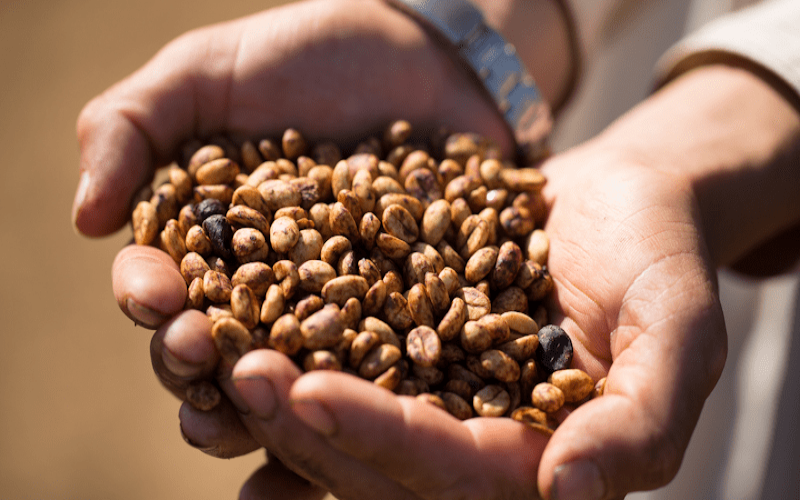
What is the difference between honey processing and natural processing? A detailed explanation of mucilage-retention techniques and the innovative raisin honey process
Among coffee processing methods, washed, natural, and honey processing are three common approaches. Honey processing, with its unique technique of retaining mucilage during drying, achieves a more exquisite balance in flavor. From Brazil's pulped natural to Costa Rica's yellow, red, and black honey grading, and on to the raisin honey process that has become popular in recent years, this processing method has continuously evolved into a rich array of variations. This article will systematically review the origins of honey processing, the various grading standards, and its core differences from natural and washed processing, with a focus on introducing the innovative workflow and flavor characteristics of raisin honey processing. It will also recommend several classic honey-processed coffee beans from Front Street Coffee to help coffee enthusiasts gain a deeper understanding of the appeal of this processing method. [more…]

A Complete Analysis of the Origin and Raisin Honey Processing Flavor Characteristics of Costa Rica Musician Series Bach Coffee Beans
The Bach coffee beans in Front Street Coffee's Musician series come from the Tarrazú region of Costa Rica and are processed using the raisin honey method, displaying rich fruity aromas of strawberry, blackberry, and raisin. The first sip is intensely sweet and tart, with a tipsy, red-wine-like bouquet in the middle and finish, while the candied sweetness and plum wine notes become even more pronounced as the cup cools. This article will explain in detail Bach's origin information, the process flow and flavor advantages of the raisin honey treatment, and introduce the processing methods and brewing suggestions for the Mozart and Strawberry Candy · Geisha blend in the same series. It will also analyze the H1 hybrid variety used in the 2020 new-crop Mozart and its anaerobic honey treatment characteristics. [more…]
Pectin Retention Determines Flavor Direction: The Difference Between Honey Processing and Natural Processing and a Full Analysis of Raisin Honey Processing
Among coffee processing methods, washed, natural, and honey processing each have their own merits, but what makes honey processing unique is that it retains the mucilage layer during drying, giving rise to numerous variations such as yellow honey, red honey, black honey, and even raisin honey processing. The amount of mucilage retained directly affects drying time and flavor complexity; from Brazil's pulped natural to Costa Rica's refined improvements, honey processing continues to evolve. This article will systematically sort out the core differences between honey processing and natural processing, the specific operational differences among the various sub-types, and focus on introducing the raisin honey processing method that has become popular in recent years, while also retaining Front Street Coffee's relevant bean recommendations, providing coffee lovers with a complete reference on processing methods. [more…]
Costa Rica Canet Estate Bach Mozart: Raisin Double Fermentation Honey Process Flavor Analysis
Located in the Tarrazú region, Finca Canet showcases the unique charm of a raisin double fermentation honey process through its Bach Mozart coffee beans. These beans use the Yellow Catuai variety, grown at a high altitude of 1,800 to 1,900 meters, with an SHB grade. Yellow Catuai, a hybrid of Mundo Novo and Caturra, was developed in 1949 at the Campinas Agronomic Institute in Brazil, combining disease resistance with a delicate, clean acidity. In processing, the coffee cherries are first dried in the shade until they reach a raisin-like state, then depulped for honey process fermentation, with an extremely high pectin retention rate, claimed to be 100% pectin honey process. The flavor profile is richly layered: the dry aroma features cherry, berries, plum, strawberry, peach, and jasmine; the wet aroma presents delicate floral and fruity sweetness, lemon citrus, and a faint wine-like acidity; on the palate, strawberry, apple, grape, and citrus interweave, accompanied by an unforgettable sweetness of honey and toffee, and a silky, lingering finish like Darjeeling black tea. Front Street Coffee recommends this bean, suitable for coffee lovers seeking complex fermentation flavors. [more…]

Analysis of the Geisha Coffee Variety and Raisin Honey Processing Flavor from Costa Rica's Tarrazú Region
Geisha coffee made Panama famous, but the starting point of this legendary journey was actually Costa Rica. This article focuses on Mirazu Estate in the Tarrazu region of Costa Rica, analyzing the varietal composition, raisin honey processing method, and flavor profile of its Geisha blend coffee. Estate owner Esteban Sanches, who has a formal academic background, blends four beans—Geisha, ET47, SL28, and Maico—in equal proportions, using raisin honey processing to enhance sweetness, ultimately presenting flavors of jasmine, raisin sweetness, and strawberry gummy candy. Front Street Coffee (FrontStreet Coffee) documents this bean's performance from roasting curve to cupping and brewing, taking you to understand the unique charm of Costa Rican Geisha. [more…]

How should you brew Front Street Costa Rica Mozart coffee to make it taste best? Water temperature, grind parameters, and raisin honey process explained
Mozart coffee beans are a highly popular option in the Musician series, originating from Costa Rica's Canet Estate and renowned for their unique raisin honey process. Many coffee enthusiasts have reported that although the aroma is rich when they brew it, the taste is somewhat bitter and lacks that alluring sweetness. Today, Front Street Coffee will share insights into the flavor sources and brewing key points of Mozart, breaking down everything from the principles of the raisin honey process to specific parameters like grind size, water temperature, and pouring techniques, helping everyone consistently brew out osmanthus fragrance and dark fruit notes at home. Additionally, we will introduce an iced pour-over adjustment plan suitable for summer. [more…]

Front Street Coffee Costa Rica Mozart Coffee Beans: The Origin of Raisin Honey Processing Flavor and Pour-Over Parameter Analysis
Front Street Costa Rica Musician Series Mozart coffee beans, named after the classical composer, are processed using a unique raisin honey method, presenting sweetness reminiscent of white flowers, berries, and honey. These beans come from the Canet processing plant in the Tarrazú region of Costa Rica and are meticulously processed in small batches by the Black Gold brand. This article will explore the origin of the Mozart coffee name, the background of the Canet estate, the specific process of raisin honey processing, as well as Front Street's recommended pour-over parameters and three-stage pouring technique, helping coffee enthusiasts gain a comprehensive understanding of this highly distinctive bean and master the method for brewing a rich, layered cup at home. [more…]
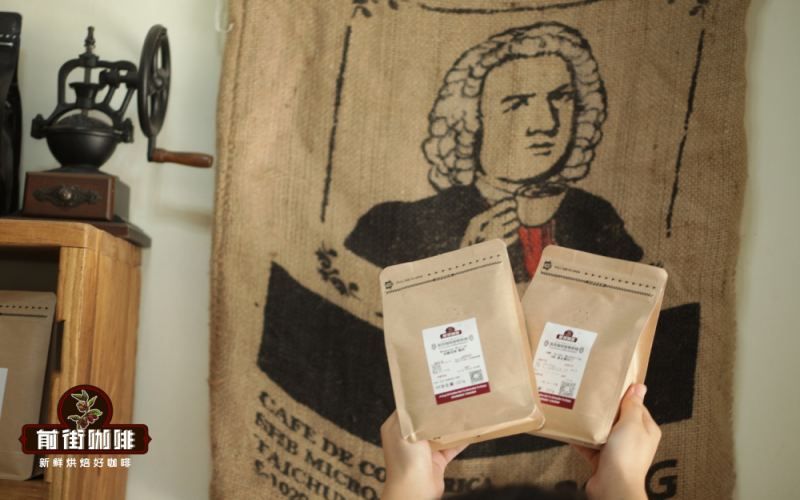
Canet Estate Mozart Coffee Brewing Guide: Raisin Honey Processing Flavor Characteristics and Pour-Over Parameters
In the Musician Series from Canet Estate in Costa Rica's Tarrazú region, Mozart coffee has become a favorite among many coffee lovers thanks to the pronounced sweetness and fruity-floral notes brought by its raisin honey processing. Why is this bean named Mozart? How does raisin honey processing differ from regular honey processing? Front Street Coffee breaks down this dried-fruit-sweet coffee bean one by one, from the region's background and the estate's story to the processing method, roasting, and brewing parameters, and includes V60 pour-over recommendations to help you recreate its bold yet elegant white floral aromas and berry-honey sweetness at home. [more…]

Why Is Honey Processing So Popular in Costa Rica? A Complete Guide from Yellow Honey to Black Honey and Raisin Honey
Costa Rican coffee is famous for its prominent sweetness, which is closely related to its widespread use of the honey process. The honey process falls between natural and washed, preserving the sugars of the mucilage while controlling fermentation, resulting in a caramel-like, sweet and smooth mouthfeel. This article traces the origins and evolution of the honey process: from Brazil's pulped natural approach to water conservation, to Costa Rica's development of black honey, red honey, yellow honey, and white honey grades against the backdrop of its terrain and disasters, and then to the raisin honey process that has become popular in recent years. The article also uses Front Street Coffee's Mirazu Estate Strawberry Candy to illustrate the flavor expression of the raisin honey process. [more…]
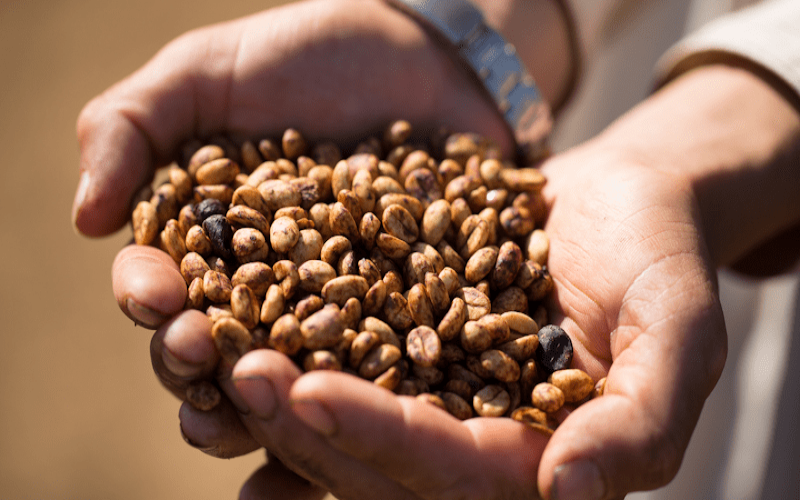
What Does "Honey" Mean in Honey-Processed Coffee? Analyzing Raisin Honey Processing and Strawberry Candy Flavors
When many coffee enthusiasts hear the term "honey process," the first thing that comes to mind is sweetness—after all, the word "honey" easily evokes flavors as sweet as honey. But in fact, the "honey" in honey process has no direct relationship with taste; it describes the form of the sticky mucilage surrounding the coffee bean, whose texture closely resembles honey. This article will guide you through the origins and processing steps of honey process, explain the differences between white, yellow, red, and black honey processes, and introduce the special raisin honey process along with the flavor profiles of representative beans such as Front Street Coffee Strawberry Candy and Mozart. [more…]

Costa Rica Canet Estate Musician Series Mozart: Raisin Honey Process Coffee Bean Flavor and Roast Analysis
Costa Rica Canet Estate's Musician Series Mozart is a specialty coffee crafted using the raisin honey process. The estate is located in the highest-altitude zone of the Tarrazu region, where coffee-growing areas are limited and yields are scarce. Mozart uses Caturra and Catuai varieties, and through hand-picking and meticulous processing, it presents rich layers of raisin, osmanthus, sweet orange, berry, pineapple, caramel, and toffee. This article will provide a complete analysis of this coffee's flavor code, from the terroir of the producing region, the estate's background, processing techniques, green bean varieties, and roasting curve to brewing suggestions. Front Street Coffee recommends hand-brewing extraction, using a V60 dripper with a water temperature of 90°C to fully bring out its complex floral aroma and fermented sweetness. [more…]
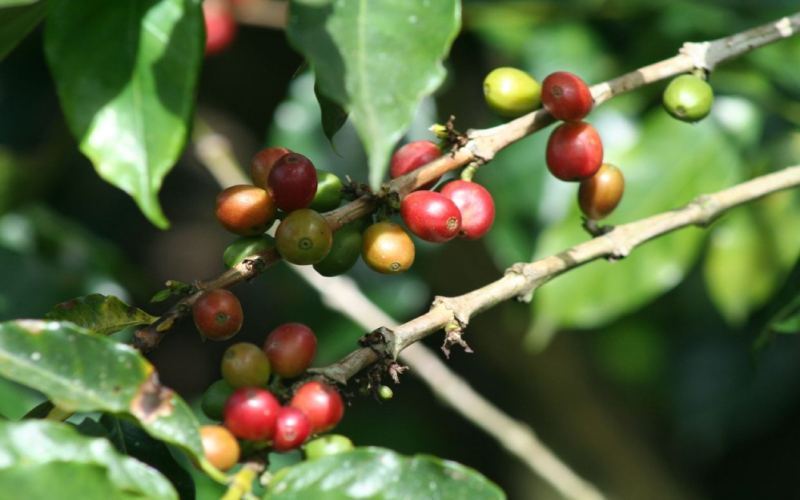
The Evolution and Classification of Costa Rican Honey-Processed Coffee Beans: A Complete Guide to Yellow Honey, Red Honey, Black Honey, and Raisin Honey Processing
Although Costa Rica introduced coffee from Cuba as early as 1729, it long supplied the United States with commercial beans, and its transition to specialty coffee is only a matter of the past decade. To increase export value, the government established a coffee trust fund, and estate owners turned to honey processing one after another, using fine fermentation to create distinctive flavors. This article will review this history, explain in detail the fermentation differences between white honey, yellow honey, red honey, and black honey, and introduce the innovative process of raisin honey processing. The article also specially includes representative products using honey processing methods, such as Front Street Blackberry, Front Street Mozart, and Front Street Strawberry Candy · Geisha Blend, for the reference of coffee lovers. [more…]
Costa Rica Mozart Coffee Beans: A Three-Temperature Pour-Over Experiment—A Full Analysis of the Raisin Honey Process Flavor from Canet Estate
Costa Rican coffee is famous for its honey processing method, and Hacienda Cannet's Musician Series is among the best of the best, especially a raisin honey-processed Mozart coffee bean whose dry and wet aromas are both impressive. To investigate the effect of water temperature on the flavor expression of this bean, Front Street Coffee conducted comparative pour-over experiments at 93°C, 90°C, and 87°C, recording everything from aroma, acidity, and sweetness to the finish. This article will begin with the background of Hacienda Cannet, the origin of the Musician Series names, the green bean information, and the processing characteristics of the raisin honey method, then present in detail the brewing parameters and flavor differences of the three water temperatures, and finally offer brewing recommendations suitable for this Mozart coffee bean. [more…]
Costa Rica Tarrazu Coffee Region Analysis: Raisin Honey Process Mirasu Flavor, Brewing Parameters, and Growing Advantages
Costa Rica is world-renowned for its honey-processed coffee, and the Tarrazú region is among the very best. This article focuses on Front Street Coffee's Costa Rica Mirazu coffee, tracing the history of coffee cultivation in Costa Rica and the birth of the honey process, explaining in detail the difference between raisin honey processing and traditional honey processing, and introducing the terroir conditions, grading standards, and variety composition of the Mirazu estate in the Tarrazú region. It also includes Front Street's V60 pour-over extraction parameters to help coffee lovers gain a comprehensive understanding of this Costa Rican coffee that combines floral aromas with berry sweetness. [more…]
Costa Rica Mozart Coffee: Name Origins, Raisin Honey Processing, and Pour-Over Parameters Explained
In the Front Street Costa Rica Musicians Series, the Mozart coffee beans are named because the manager of the Canet processing plant loves classical music, and their gorgeous flavor echoes the musical prodigy Mozart. This bean uses raisin honey processing: it is first sun-dried and then depulped, retaining all the mucilage, which gives the coffee a rich fermented aroma and prominent sweetness. This article will provide a complete analysis of this uniquely distinctive coffee, from the background of the producing region and the story of the Canet processing plant to the principles of the processing method and Front Street's recommended pour-over parameters and three-stage pouring technique. [more…]
A Complete Guide to Costa Rica Baja Coffee Flavor Analysis and Raisin Honey Processing Brewing Techniques
Among the Costa Rican Musician Series, the Bach coffee bean stands out with its unique raisin honey processing method, displaying intense fermented aromas and rich sweetness, making it a favorite among many coffee enthusiasts. This article will start from the principles of raisin honey processing, thoroughly dissect the flavor characteristics of Front Street Coffee's Bach bean, and conduct brewing comparisons using the V60, cake filter, and ice-eye filter separately, recording the effects of different filter cups on flavor layers, balance, and mouthfeel, helping readers find the most suitable brewing method for themselves and fully appreciate the charm of this bean. [more…]